|
|
|
|
|
This workshop is designed for intermediate attendees, and is oriented at providing a more in depth understanding of the phenotype approach to designing a NF intervention. TCDC is a technique that has been known for many decades, but has only recently begun to have clinical application interest. The ability to excite or suppress function locally is easily accomplished, though there are technical details that are critically important. Abstract: The clinical use of EEG / qEEG is rapidly expanding since the acceptance of the clinical application of qEEG in 1994. This talk will provide a survey of various approaches to diagnosis and treatment planning, as well as having a depth discussion of the phenotype approach for predicting interventions based on EEG/qEEG data.
Details:
Workshop #352): How the Brain works; Designing Neurofeedback Interventions Behaviorally based diagnosis is the clinical standard for the DSM approach to therapy... "diagnosis, therefore treatment". This approach has not shown efficacy, with the treatments neither being specifically selected, not outcomes predicted. This workshop will provide a review of brain structure and function, and the phenotype model will be reviewed in more depth than would be allowed in a plenary talk.
Plenary #351): Trans-cranial Direct Current Stimulation (TCDC): a old new tool for modifying brain function The selection of the anode or cathode are not the only choices. The strength of the current, the duration and frequency of the sessions, the location of the stimulatory and inhibitory effects, and the electrode materials all make significant changes in the effect and side-effect of this intervention.
Plenary #350): Understanding Phenotypes and Clinical Subtypes to Use qEEG More Effectively in Planning Neurofeedback Abstract: The clinical use of EEG / qEEG is rapidly expanding since the acceptance of the clinical application of qEEG in 1994. Many different approaches to the application of qEEG exist, from the more mathematical approaches, like neurometric and discriminant analysis, to the heuristic reading of brain maps visually without the use of databases. These divergent approaches represent the polar extremes, with the balanced use of the qEEG to help guide clinical judgment lying somewhere in the middle. This talk will provide a survey of various approaches, as well as having a depth discussion of the phenotype approach to looking at EEG / qEEG data.
Contact Info: Jay Gunkelman | |||||||
|
 Futurehealth
Winter Brain, Optimal Functioning &
Positive Psychology and StoryCon
Meeting
Futurehealth
Winter Brain, Optimal Functioning &
Positive Psychology and StoryCon
Meeting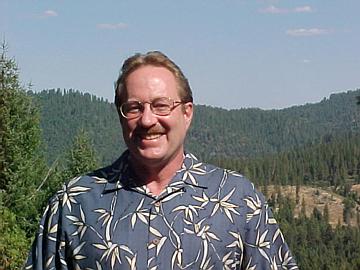
 Futurehealth.org
